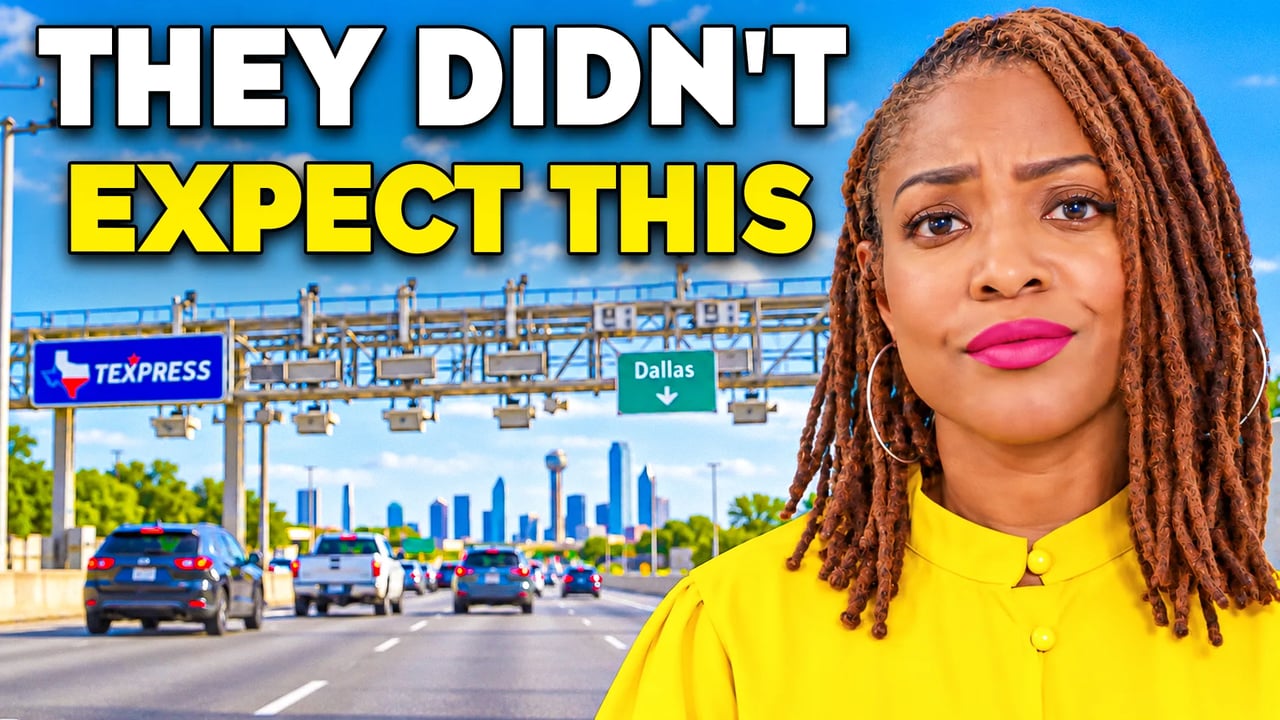
5 Things That Could Surprise You After Moving to Dallas, Texas
Thinking about moving to Dallas, Texas? You’re not alone. Dallas-Fort Worth continues to attract people from across the country who are looking for jobs, more space, new opportunities, and a different lifestyle.
But before you make the move—or especially before you buy a home—there are a few things you should understand.
A recent viral TikTok had people sharing the things they wish they had known before relocating to Dallas. Some of the complaints were completely valid, while others needed a little more context.
Here are five things that can catch new Dallas residents off guard, and what you should know before making your move.
1. Property Taxes Can Be Higher Than You Expect
One of the biggest surprises for people moving to Texas is property taxes.
Texas does not have a state income tax, which is a major attraction for many people relocating here. However, that doesn't mean living in Texas is automatically cheaper. Property taxes can be a significant part of your annual housing costs.
And here's something important: property tax rates aren't the same everywhere.
Your tax bill can vary depending on the city, county, school district, and other taxing entities associated with the property. Two homes with similar purchase prices can have noticeably different annual tax bills depending on where they're located.
That's why looking only at the list price isn't enough when you're shopping for a home in DFW.
Before making an offer, look at the property's current tax history and understand the estimated taxes you could be responsible for after purchasing.
2. Your Electricity Bill Can Get Expensive During Texas Summers
Texas summers are no joke—and neither can be the electricity bill.
Dallas can experience long stretches of extremely hot weather, and your air conditioner may be working overtime to keep your home comfortable.
Texas also has a deregulated electricity market in many areas, meaning homeowners may have different electricity providers and plans to choose from.
That can be an advantage because you have options, but it also means you need to pay attention to the details of your electricity plan.
Rates, contract terms, usage levels, and seasonal demand can all affect what you pay.
And don't assume that a beautiful, energy-efficient home will automatically have a low electric bill. The home's size, insulation, windows, age, HVAC system, and your personal thermostat settings can all make a difference.
When buying a home, it's worth asking the seller or agent for information about previous utility costs if available.
3. Toll Roads Can Become Part of Your Daily Routine
If you're moving to Dallas-Fort Worth, you may quickly discover that getting around the Metroplex isn't always as simple as looking at the mileage between two locations.
DFW is huge.
A home that looks close to your office on a map could still involve a lengthy commute depending on traffic, highways, and where you need to travel every day.
And depending on your route, toll roads may become part of your regular commute.
Areas such as Arlington, Plano, and Las Colinas can offer excellent amenities and convenient access to different parts of the Metroplex, but your actual commute should be considered before deciding where to live.
A home that's $20,000 cheaper may not feel like a bargain if you're spending hours commuting every week or regularly paying tolls.
Before purchasing, test your commute during the times you'll actually be traveling.
4. Sales Tax Is Another Cost to Keep in Mind
Texas has no state income tax, but you'll encounter sales tax when buying many goods and services.
For someone relocating from a state with a different tax structure, this can take some getting used to.
It's important to look at your overall cost of living, rather than focusing on just one tax.
No state is completely tax-free. Different states simply structure their taxes differently.
If you're comparing Dallas to another city, consider the entire financial picture including housing, property taxes, sales taxes, insurance, utilities, transportation, and other everyday expenses.
5. Foundation Issues Are Something Homebuyers Should Understand
Foundation concerns are another topic that often comes up when people talk about buying a home in Texas.
North Texas has expansive clay soils, and changes in moisture can cause soil movement. Over time, that movement can contribute to foundation problems in some homes.
That doesn't mean every home in Dallas has foundation issues or that you should avoid buying a home here.
It simply means foundation condition should be part of your due diligence when purchasing a property.
A professional home inspection can help identify potential concerns, and depending on the property, you may want to have a foundation specialist take a closer look.
Pay attention to things such as significant cracks, sticking doors or windows, uneven floors, and other potential warning signs.
The goal isn't to become scared of every crack you see. It's to understand what you're buying and address potential issues before they become expensive surprises.
So, Should You Still Move to Dallas?
Absolutely—but go in informed.
None of these five things automatically make Dallas a bad place to live.
In fact, thousands of people move to the Dallas-Fort Worth area every year and love it.
The bigger issue is moving without understanding how the area works.
DFW is incredibly large, and the experience of living in one community can be very different from living just 20 or 30 minutes away. Your property taxes, school district, commute, utility costs, toll expenses, and even your overall lifestyle can change depending on where you choose to live.
That's why choosing a home should come after you've figured out what location and lifestyle actually fit your needs.
Don't Just Buy a House Buy the Right Location
One of the biggest mistakes relocating buyers can make is falling in love with a house before understanding the area around it.
Before you buy, ask yourself:
- How long will my commute really be?
- What will my property taxes look like?
- How much could utilities cost during the summer?
- Will I regularly use toll roads?
- What school district is the property located in?
- What are the insurance and maintenance costs?
- Does the neighborhood fit the lifestyle I want?
- What will my total monthly housing cost actually be?
These questions can help you look beyond the listing price and understand the true cost of owning a home in DFW.
The Bottom Line
Moving to Dallas doesn't have to be a decision you regret.
The key is knowing what you're getting into before you make the move.
Property taxes, electricity costs, toll roads, sales tax, and foundation concerns are all real considerations but they're not automatic dealbreakers. With the right information and proper planning, you can make a much more confident decision about where to live.
The real risk isn't moving to Dallas. It's buying a home without understanding the full picture.
Do your research, compare communities, understand the costs, and choose your location based on your lifestyle not just the house.
That preparation can turn a potential relocation regret into a move you feel confident about for years to come.
Dee Walton
469-715-3561