Moving to Dallas-Fort Worth? 3 Things to Know Before Buying a Home
Dallas-Fort Worth is an attractive destination for people looking for career opportunities, beautiful homes, growing communities, and the financial benefit of living in a state with no individual income tax. But before you start browsing listings and planning your move, there are a few important things to understand about buying a home in DFW.
As a real estate agent, I have honest conversations with my clients about what living here really costs. Finding the right home isn't just about the purchase price or how beautiful the property looks online. It's about understanding the location, the monthly expenses, and the long-term costs that come with homeownership.
Here are three things you should know before making your move to Dallas-Fort Worth.
1. Understand the Location Before Choosing a Home
One of the biggest mistakes buyers make is choosing a house before understanding where it is located.
Dallas-Fort Worth is a large metropolitan area with a wide range of cities, suburbs, and master-planned communities. While two homes may look similar online, their locations can create very different day-to-day experiences.
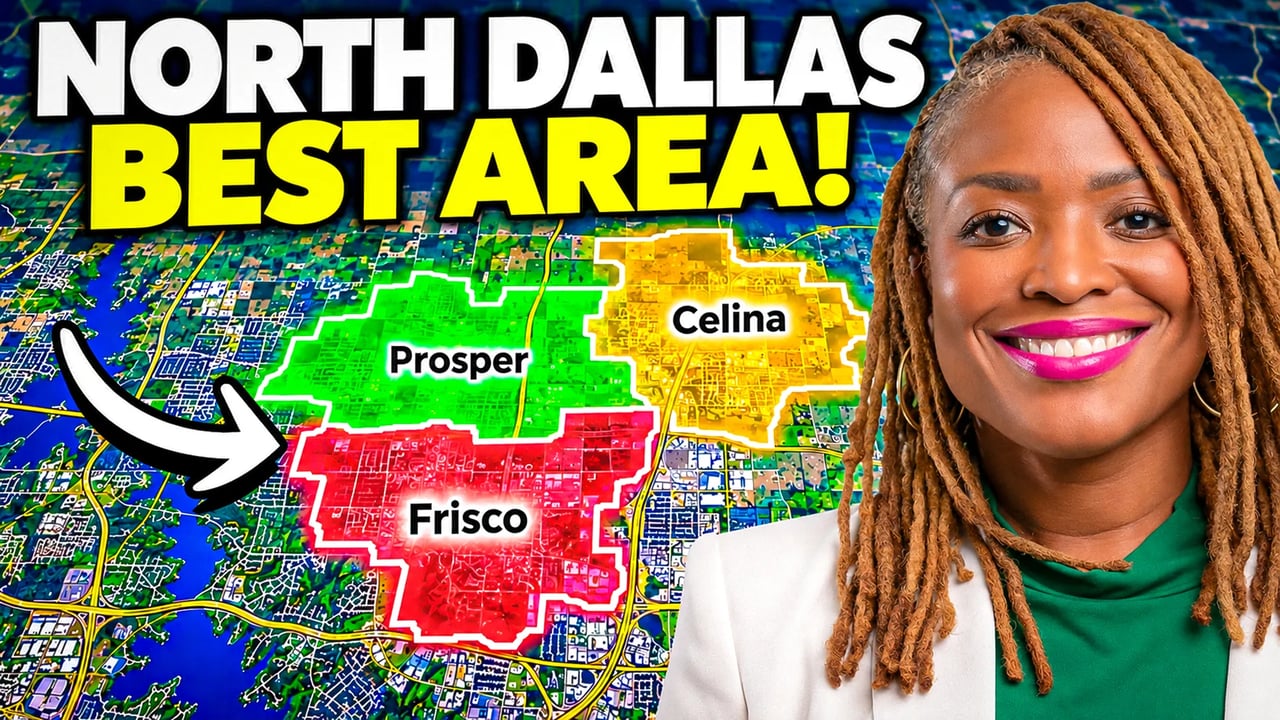
For example, a home in Frisco might offer convenient access to shopping, restaurants, and major employment centers in North Dallas. A property in Celina or Prosper might provide newer construction and a growing suburban environment, but depending on the exact location, you may have a longer commute or fewer nearby amenities.
Before choosing a home, consider:
- Your daily commute: Where will you work, and how much time are you willing to spend driving?
- Access to amenities: How close do you want to be to grocery stores, restaurants, healthcare, and entertainment?
- Schools and family needs: If schools are important to your household, research attendance zones and available programs.
- Future development: Is the area established, or is it still growing? New development can bring convenience, but it can also mean construction and changing traffic patterns.
- Your lifestyle: Do you prefer an established neighborhood with mature trees or a newer community with modern homes and planned amenities?
The goal is to find a location that supports your everyday life, not just a house that looks great in photos.
2. Look Beyond the Purchase Price
Another common mistake is assuming that two homes with the same asking price will have similar monthly payments.
In Dallas-Fort Worth, property taxes, homeowners association (HOA) dues, and special assessments can significantly affect your housing budget.
Property taxes
Texas does not have a state individual income tax, which is one reason many people consider moving here. However, property taxes are an important part of the cost of homeownership.
Your actual tax bill depends on factors such as the property's taxable value, applicable tax rates, exemptions, and local taxing entities. Two homes in different communities can have noticeably different annual property tax bills, even when their purchase prices are similar.
HOA dues
Some neighborhoods have mandatory HOA fees that cover community maintenance, amenities, landscaping, or other shared services. The amount varies by community, so make sure you understand the dues before making an offer.
If you're considering a master-planned community with pools, trails, clubhouses, or other amenities, ask what the HOA fee covers and whether additional charges apply.
Special assessments, MUDs, and PIDs
Certain Texas communities may also have additional costs associated with Municipal Utility Districts (MUDs) or Public Improvement Districts (PIDs).
Depending on the property and district, these arrangements can affect your overall housing expenses through taxes, assessments, or other charges. Not every property has these costs, so it's important to review the details for the specific home you're considering.
The bottom line: Don't compare homes based on the asking price alone. Compare the estimated total monthly cost, including principal, interest, property taxes, homeowners insurance, HOA dues, and any applicable assessments.
3. Get a Homeowners Insurance Quote Before Making an Offer
Homeowners insurance is another expense that can change the affordability of a home before you even submit an offer.
Insurance premiums can vary based on the property's location, age, roof condition, construction materials, coverage limits, claims history, and other underwriting factors.
A home that appears affordable based on its purchase price and estimated mortgage payment may become less attractive once you receive an insurance quote.
Before committing to a property, consider these steps:
- Request an insurance quote for the specific address.
- Ask about the roof's age and condition.
- Review the policy's coverage limits, deductibles, and exclusions.
- Confirm whether wind, hail, and other weather-related risks affect the available coverage or cost.
- Compare quotes from multiple insurers when possible.
Don't wait until the last minute to investigate insurance costs. Getting an estimate early helps you build a more realistic budget and avoid surprises during the buying process.
The Real Cost of Moving to DFW
Dallas-Fort Worth offers plenty of opportunities for buyers, from established neighborhoods near major employment centers to newer communities with modern homes and resort-style amenities.
But the right home isn't necessarily the newest property, the biggest house, or the one with the lowest asking price.
It's the home that fits your budget, location preferences, lifestyle, and long-term plans.
Before you make a decision, look at the complete picture. Understand the commute, research the property's tax situation, confirm HOA dues and special assessments, and get an insurance quote. These steps can help you compare properties more accurately and make a more informed decision.
Planning a Move to Dallas-Fort Worth?
If you're relocating to DFW, take the time to understand the area before falling in love with a particular home. The right guidance can help you narrow down your options, understand the costs, and focus on communities that make sense for your needs.
Thinking about moving to Dallas-Fort Worth? Reach out to discuss your plans, budget, preferred location, and lifestyle. Let's find a home that makes sense not just on paper, but in your everyday life.
Dee Walton
469-715-3561